
Upper Respiratory Infection
Upper Respiratory Infection services offered in Hoffman
- Walk in any day, 8 AM – 9 PM
- Available at all 3 NewMed clinics
- Most insurance accepted, self-pay prices posted
No appointment needed; booking online holds your place in line.

About Upper Respiratory Infection
What is an upper respiratory infection?
An upper respiratory infection is an acute viral or bacterial illness in your nose, sinuses, or throat. The most common URIs include:
- Influenza
- Strep throat
- Viral rhinitis (common cold)
- Laryngitis (inflammation of the voice box)
- Pharyngitis (sore throat including strep throat)
- Sinusitis (inflamed sinuses)
- Tonsillitis (inflamed tonsils)
- Epiglottitis (inflammation of the cartilage covering the windpipe)
- Respiratory syncytial virus (RSV)
- COVID-19
While most upper respiratory viruses stay in the nose and throat, the viruses responsible for the flu, COVID-19, and RSV can also infect the lower respiratory tract (lungs).
What are the symptoms of an upper respiratory tract infection?
An upper respiratory tract infection may cause many symptoms, depending on whether it primarily affects your nose, throat, or both. You may experience any of the following:
- Sore throat
- Runny or stuffy nose
- Sneezing
- Cough
- Fever
- Hoarseness
- Loss of voice
- Difficulty swallowing
- Facial pain (around sinuses)
- Sinus pressure
- Fatigue
- Swollen lymph nodes
- High-pitched sound when breathing
URIs are spread through direct contact (when an infected person touches another person or object). The infection is most contagious in the first few days after your symptoms appear but may spread a few days before you feel ill.
Do upper respiratory tract infections cause complications?
Without treatment, URIs can cause inflammation in your lungs and spread throughout your body, potentially causing:
- Meningitis
- Rheumatic fever
- Scarlet fever
- Kidney inflammation
- Sepsis
Young children, people over 65, and those with a weak immune system or chronic health condition are most vulnerable to URI complications.
How are upper respiratory tract infections treated?
Most upper respiratory tract infections are caused by viruses, which means the infection improves over time, but there are no medications. However, some crucial exceptions exist: antiviral medications are available for the flu, RSV, and COVID-19.
Antiviral medications are most effective when taken right after your symptoms appear. You may not be able to take medication if you wait too long.
Your caring NewMed Immediate Care provider treats bacterial infections with antibiotics. For viral and bacterial infections, they may recommend easing your symptoms with decongestant nasal sprays, over-the-counter pain relievers, and home remedies.
If you need relief from an upper respiratory infection or want to learn if you’re a candidate for antiviral medication, call the nearest office, book online, or walk in for immediate care today.
Get treated for Upper Respiratory Infection today
All three clinics treat Upper Respiratory Infection, every day from 8 AM to 9 PM. No appointment needed.
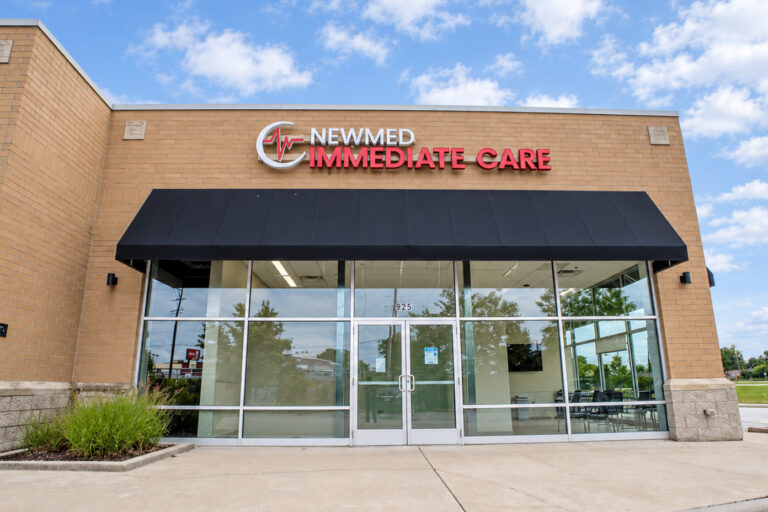
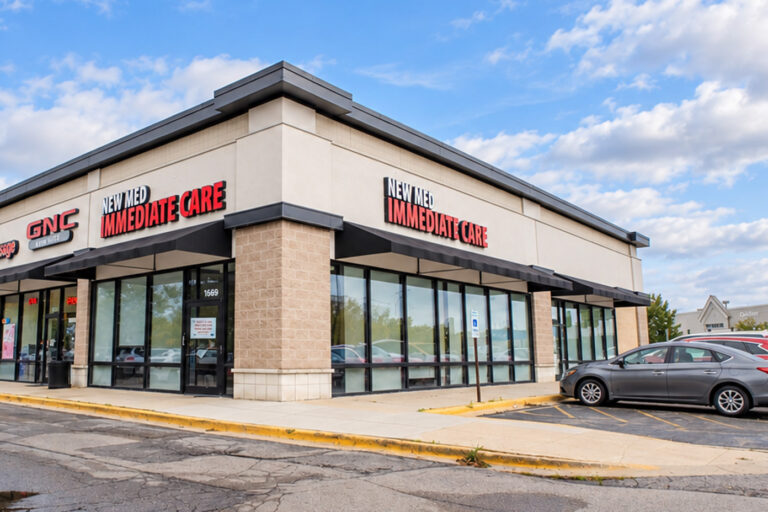
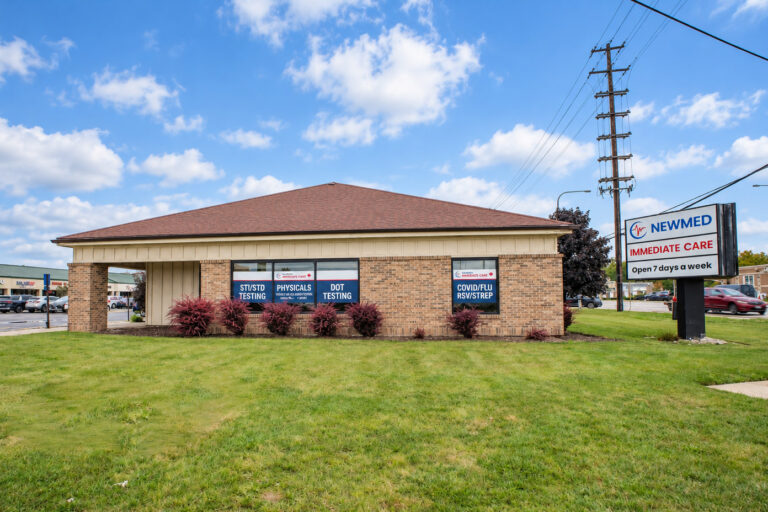
What patients say
4.6
From 3,607 reviews on Google Maps
- Hoffman Estates 4.5 (1,132) — read reviews on Google
- Rolling Meadows 4.6 (2,031) — read reviews on Google
- Mount Prospect 4.8 (444) — read reviews on Google
Read each clinic's reviews on Google Maps.
-
Excellent service and excellent care. I did a walk in and the appointment was easy. The staff was very polite and they listen carefully our issues. Very clean environment. Good service.
ranjith raja a week ago, Hoffman Estates
-
My visit was great! Very easy appointment, quick to get me in, and everyone was nice. Front desk was attentive and did their job well, doctor was great, and took time to explain everything. I will definitely use thos place anytime im feeling sick again! Already feel better. Thanks
Leo Mcclellan a week ago, Rolling Meadows
-
The staff are very pleasant and friendly. The NP was very thorough with her tests and showed compassion. I had a pleasant experience re: the care I have received.
Rostine Grinen in the last week, Mount Prospect
-
Fast, friendly and considerate! Everything about our experience was fantastic and the doctor was nicer to our young daughter than most pediatric doctors have ever been! Definitely coming back here the next time we are in need of urgent care. Thank you to the NewMed team!
Leena Agase a month ago, Hoffman Estates
-
I highly recommend this facility. Everyone was so sweet and organize. But one MA stood out the most, I believe her name was Arisai. She was super sweet and very helpful. My aunt felt so comfortable around her. She mentioned that Arisai took the time to explain to her the procedure and answered any questions. She did amazing and my aunt is glad to have met her. Thank you Arisai and NewMed
Cruz Quinarez a month ago, Rolling Meadows
-
Awesome immediate care experience! It was a Quick in and out visit, no wait time. Very nice and friendly staff and provider. Clean facility. This is how immediate cares should be. They also do annual physicals, DOT physicals and a bunch of other services like IV there. Highly recommend
A J a week ago, Mount Prospect
Come to us for
Fever, flu and COVID symptoms, sore throat, ear pain, UTIs, rashes, cuts that need stitches, sprains, minor burns, work injuries, physicals and lab tests.
Call 911 or go to the ER for
Chest pain, trouble breathing, signs of stroke, severe bleeding, a head injury with confusion, or loss of consciousness.
Need care for Upper Respiratory Infection?
Walk in any day from 8 AM to 9 PM, or book online to hold your place.